Musty Basement Carpet on Long Island: What to Do After Heavy Rain
Why a finished basement starts to smell after a storm, what to do in the first two days, when a carpet can be saved, and what a professional steam cleaning really does for a damp lower level in Nassau or Suffolk County.
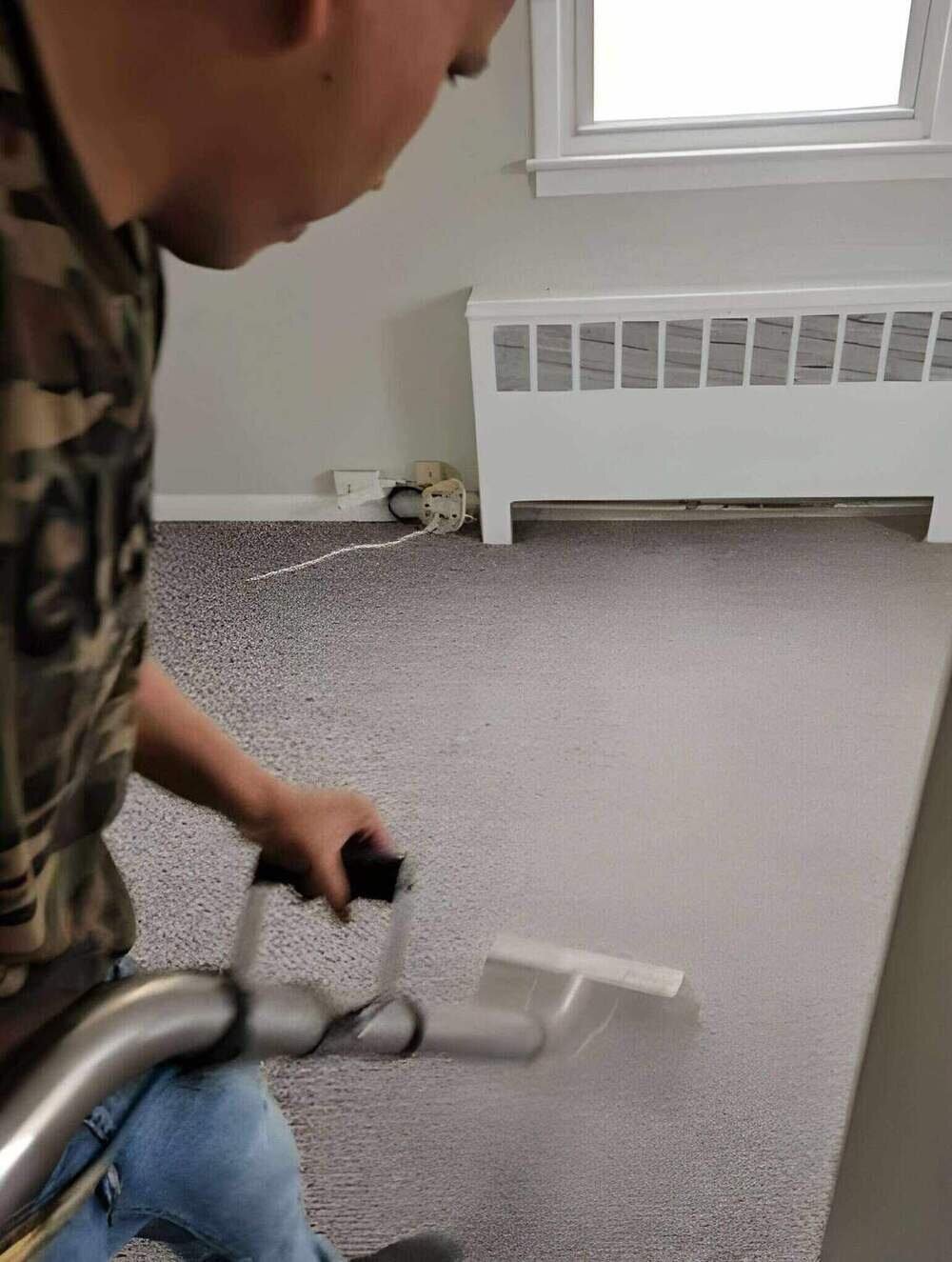
A basement carpet smells musty after heavy rain because moisture gets into the pad and backing and stays there. The smell comes from damp dirt, residue and growth deep in the carpet, not from the surface. Dry the area fast, run a dehumidifier, and find where the water came in. If the carpet only got damp from clean rainwater and dried quickly, a professional hot water extraction cleaning followed by fast drying usually brings it back. If flood water soaked it, or it stayed wet for days, it is often safer to remove it.
After a big storm, many Long Island families find the basement smells like an old cellar and the carpet feels damp in one corner. This guide walks through why it happens, what you can do today, and when steam carpet cleaning Long Island homeowners book from us is the right fix, and when it is not.
We are a local team offering carpet cleaning across Long Island from our base in Baldwin, and basements are a big part of what we see in the fall. Many families use the lower level as a playroom, a guest room, a home gym or a TV room. When it smells bad, nobody wants to go down there. The good news is that a lot of musty basement carpet can be saved if you act in the right order.
Why basement carpet starts to smell after heavy rain
Carpet is not one layer. On top you have the fibers you walk on. Under them is the backing that holds the fibers in place, then the pad, and finally the concrete slab. In a basement, that slab sits below ground level and is in direct contact with the soil around the house. When the ground outside gets soaked, the slab and the walls can stay cool and damp for days.
That moisture moves up into the pad and the backing. The top of the carpet can feel nearly dry while the layers under it stay wet. Inside those lower layers is everything that has fallen into the carpet over the years: dust, skin flakes, pet dander, spilled drinks, crumbs and soap left over from past shampooing. Add water and warmth, and that mix starts to break down. The result is the heavy, earthy smell people call “musty.”
Why the smell gets worse when the heat comes on
Many people notice the smell most in late fall, once the furnace or boiler in the basement starts running. Warm air carries odor further, so a faint smell in September can reach the first floor by November. The source has not changed; you are just noticing it more.
Press a dry paper towel firmly on the carpet near each wall, hold it for a minute, then look at it. A towel that comes up cool and slightly damp shows you where the moisture is coming in. Mark those spots with painter’s tape so you can show them to whoever comes to help.
Where the moisture comes from in Long Island basements
Before any cleaning, find out how the water got in. Cleaning a carpet that will get wet again next week only buys you a few days. These are the sources we see most often.
Gutters and downspouts. A clogged gutter full of fall leaves overflows right next to the foundation. A downspout that empties at the base of the wall sends a whole roof’s worth of rain straight down beside the basement. This is one of the cheapest problems to fix and one of the most common.
Window wells. Basement windows set below ground have a well around them. When the well fills with leaves and dirt, rain pools there and seeps in around the window frame. Carpet below a basement window is often the first spot to get wet.
Ground moisture through walls and slab. After days of rain, the soil around the house is full of water. Older poured or block foundations can let some of that moisture through, especially at cracks and at the joint where the wall meets the floor. In low-lying neighborhoods closer to the bays, basements can feel damp for a long time after a storm passes.
Summer condensation. On humid days, warm air meets the cool basement walls and floor and leaves condensation, the same way a cold glass sweats. Over a sticky summer, that can be enough to make carpet smell by fall.
Plumbing and appliances. A slow leak from a water heater, washer hose or sump pump line can soak carpet unnoticed. If the carpet is damp on a dry week, check the appliances first.
The first 48 hours after water reaches the carpet
Time matters more than anything else. The EPA’s guide to responding to water damage lists carpet and backing under materials that should be dried within 24 to 48 hours, using a water extraction vacuum, fans and a dehumidifier. The EPA also notes that this window is a guideline, not a promise. The sooner the carpet is dry, the better your chances.
Here is what we suggest doing as soon as you find wet carpet in the basement:
- Stop the water first. Clear the gutter, the window well or the downspout, or shut off the appliance that is leaking.
- Turn off power to anything plugged in near standing water, and stay out of water near outlets or the electrical panel.
- Lift furniture off the wet carpet. Put foil or plastic squares under wood legs so they do not stain the carpet.
- Take area rugs, cushions, boxes and toys off the floor and away from the wet spot.
- Pull out as much water as you can with a wet/dry vacuum. A household vacuum is not made for water.
- Run a dehumidifier with the basement door and windows closed, and point fans across the damp area.
If the carpet is only damp in a small area and you dry it quickly, the smell may fade within a few days. If the smell stays after the carpet feels dry, the odor is coming from the pad and the old dirt inside the carpet, and that is when a deep cleaning helps. Our post on how long carpet takes to dry after professional cleaning explains what a normal drying time looks like, so you can tell normal drying from a moisture problem.
Clean it or pull it up? How to decide
Not every basement carpet should be cleaned. The kind of water and how long it sat are what decide it.
Clean rainwater that came through a window or wall and was dried quickly is the easiest case. Water that came up from a floor drain, a backed-up sewer line or outside flood water is a different story, because it can carry germs and waste into the carpet. The Rhode Island Department of Health’s flood cleanup advice says to remove carpet and upholstered furniture that may have touched contaminated floodwater, and to throw out carpets and other absorbent materials that cannot be completely dried.
| Situation | Water type | Usually the right move | Who to call |
|---|---|---|---|
| Damp edge near a wall, dried within a day or two | Clean rain or ground moisture | Dry fully, then hot water extraction cleaning | Carpet cleaner |
| Old musty smell, carpet dry to the touch | Past dampness, humidity | Deep cleaning plus dehumidifier going forward | Carpet cleaner |
| Slow appliance leak found early | Clean supply water | Fix the leak, dry, then clean | Plumber, then carpet cleaner |
| Standing water across the room, wet for days | Any | Often remove the pad, sometimes the carpet | Water damage company |
| Sewer backup or outside flood water | Contaminated | Remove carpet and pad | Water damage company |
If you see fuzzy growth on the carpet backing, the pad or the lower walls, the problem has gone past cleaning. Call a water damage or mold specialist first. Once the basement is dry and repaired, we can clean the rugs and furniture that were saved.
Home fixes that make a musty basement worse
Some quick fixes actually make the problem harder to solve.
Renting a machine and soaking the carpet
Many rental machines put down more water than they pull back up. In a basement that is already damp, that extra water goes right into the pad.
Covering the smell with sprays
Scented sprays and powders hide the odor for a day. The damp dirt is still there, and many powders leave residue that grabs new dirt.
Bleach on carpet
Bleach can strip color from carpet fibers in patches, and it does not dry out a wet pad. It also must never be mixed with ammonia or other cleaners.
Closing the door and waiting
A closed, unheated basement with no dehumidifier stays damp. Waiting only gives the moisture more time to settle into the pad.
What professional steam cleaning does for basement carpet
What professional carpet cleaners call steam cleaning is hot water extraction: hot water and cleaning solution go into the carpet under pressure and are pulled straight back out with strong suction. Here is how our crews handle a basement carpet once the area is dry and the water source is fixed.
- Look and check firstThe technician checks the carpet, feels for damp areas near the walls, and talks with you about where water came in. If the pad is still wet or the damage needs a restoration company, we will tell you before any work begins.
- Dry soil removalLoose dirt, sand and hair are vacuumed out first. Basements collect a lot of dry grit from shoes, the laundry area and the garage door, and it should come out before any water goes in.
- Pre-treatment and agitationA pre-treatment goes down on traffic lanes, the musty areas and any spots. It is worked into the fibers so it can loosen old oily dirt and residue that hold odor.
- Hot water extractionOur truck-mounted or portable extractor rinses the carpet with hot water and pulls the dirty water right back out, so the basement is not left soaking.
- Clean-water rinse and speed dryingA clean-water rinse leaves no sticky soap behind, and air movers push air across the carpet so it dries faster. Fast drying is extra important on a below-ground floor.
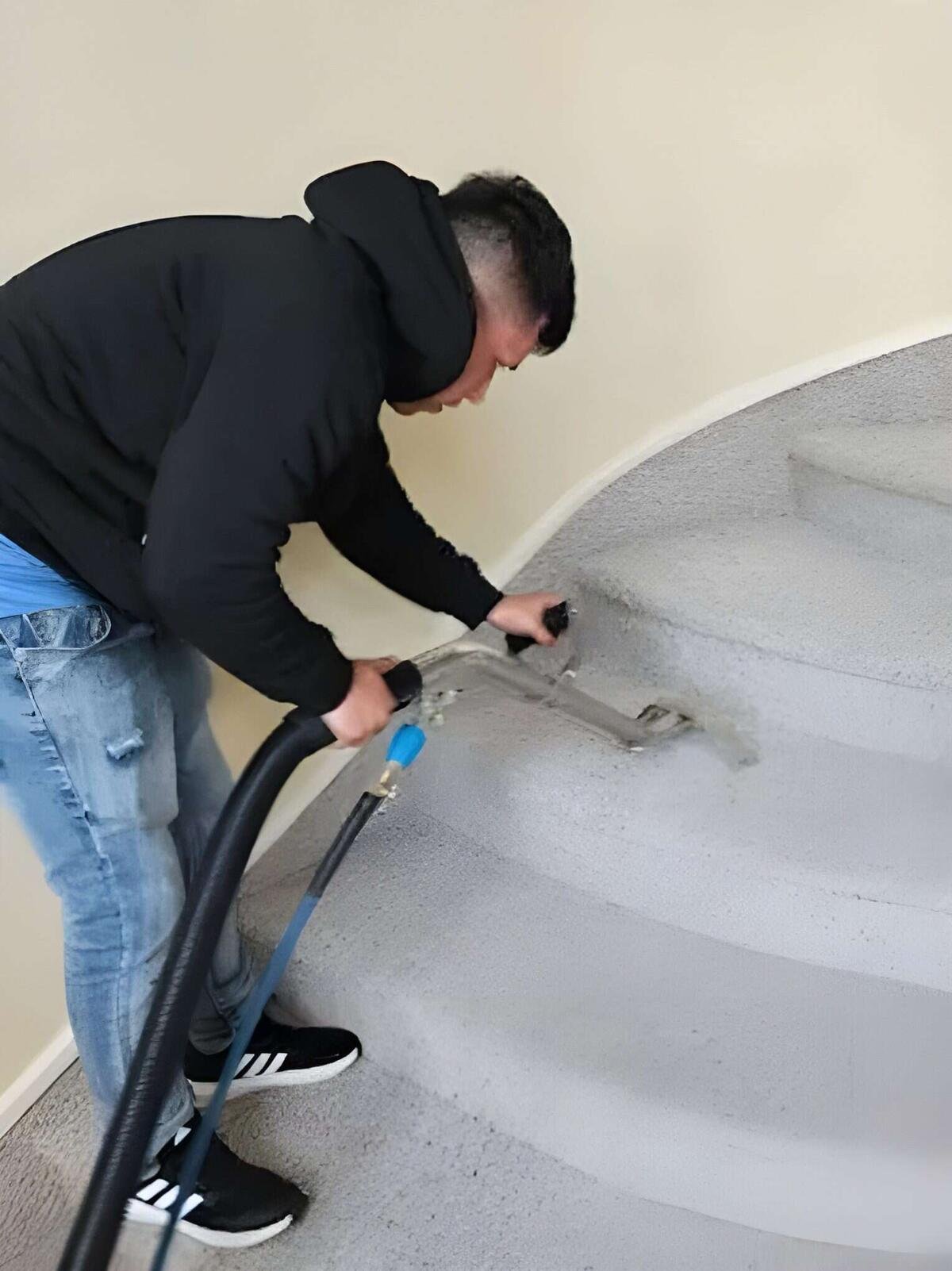
Many basements are reached by carpeted stairs, and the stairs carry the same musty smell up to the main floor. It makes sense to clean the stairs on the same visit. Our residential carpet cleaning covers basements, stairs, bedrooms and living areas together, so the whole path through the house smells and looks the same.
If a pet has had accidents in the basement, which happens often when a dog or cat spends rainy days downstairs, tell us before the visit. Damp conditions make urine odor much stronger. Our pet stain removal treatment targets those spots before the full cleaning.
Drying a basement carpet the right way
Drying is where many basement cleanings go wrong. Even a good cleaning can leave a smell if the carpet sits damp in cool, still air for too long.
The EPA’s guidance on moisture and mold prevention recommends keeping indoor humidity below 60 percent, ideally between 30 and 50 percent, and cleaning and drying wet or damp spots within 48 hours. A basic hygrometer from a hardware store shows you the humidity level, and a dehumidifier is the tool that brings it down.
- Keep the dehumidifier running for at least a day after cleaning, and empty the bucket or use a drain hose.
- Keep fans moving air across the carpet, not just pointed at one spot.
- Keep basement windows closed on humid or rainy days so you are not pulling wet air inside.
- Wait until the carpet is dry before putting furniture back, and use foil or plastic tabs under legs if you cannot wait.
- Keep the heat on in cool weather. Warm air dries carpet faster than cold air.
If you notice a smell after any carpet cleaning, not only in the basement, our guide on what to do if your carpet smells after cleaning explains the usual causes and when to call the cleaner back.
Check the dehumidifier the morning after every big storm. If the bucket is full or the unit has shut off, the basement has been gaining moisture overnight. Emptying it right away keeps the carpet from soaking up that extra humidity.
Area rugs and sofas kept in the basement
Carpet is rarely the only thing that smells. The old sofa, the guest bed and the kids’ play rug all soak up the same damp air.
Area rugs
An area rug lying on damp carpet or concrete can pick up moisture from below. Wool rugs in particular hold onto smells. Lift the rug, let the floor under it dry, and look at the back. Our area rug cleaning gives the rug a full wash and rinse so it can go back down fresh, instead of carrying the basement smell into another room.
Sofas and chairs
A basement couch is often older and gets heavy use for movies, video games and naps. Cushions and fabric soak up damp air and body oils, and the smell builds slowly. Professional upholstery cleaning uses the right method for the fabric, and on a damp lower level we pay extra attention to drying so cushions do not stay wet inside.
How basement carpet cleaning is priced
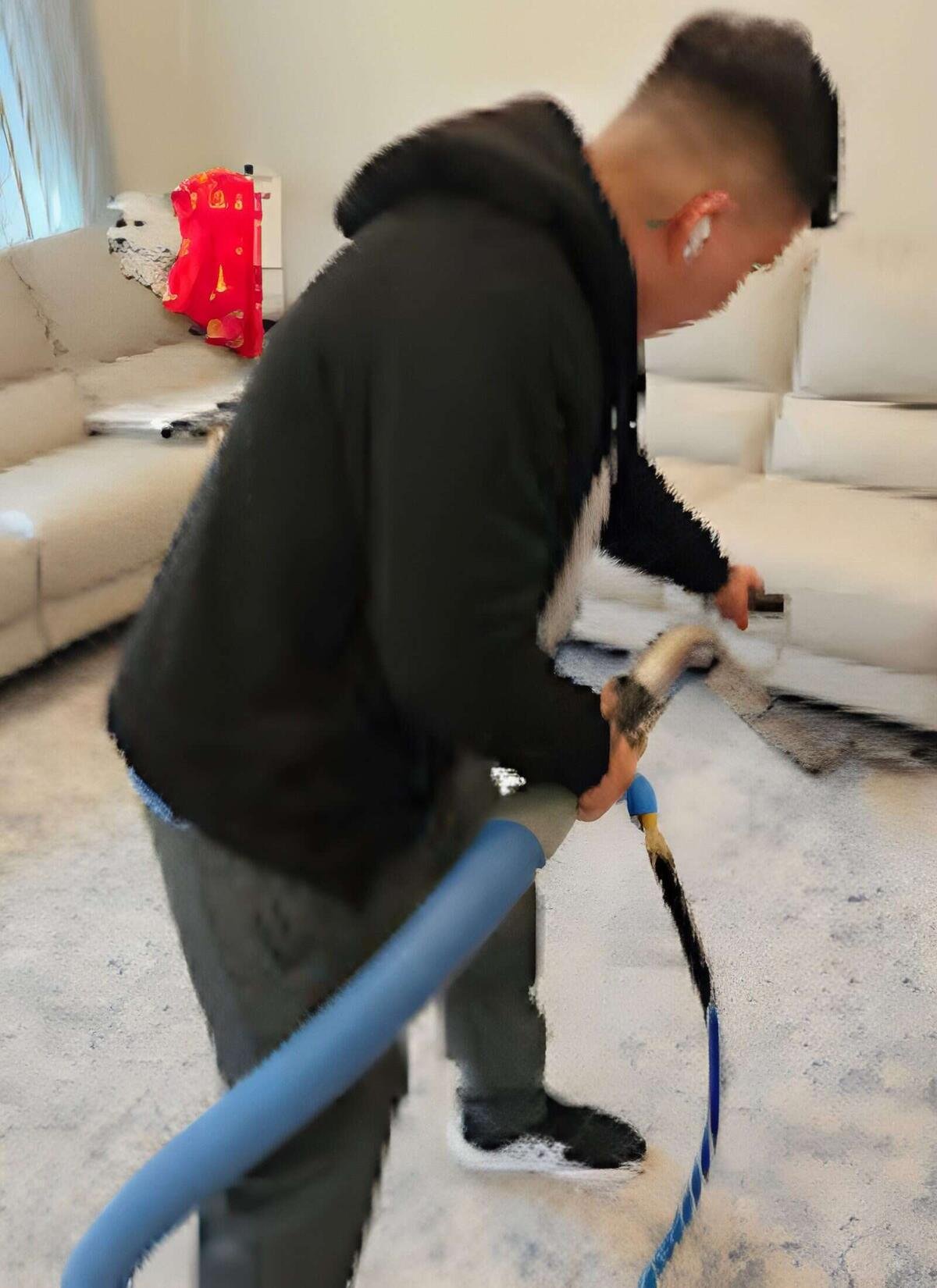
Our pricing is simple and we confirm it before any work starts. Carpet cleaning is $99 per room, one room of any size. That includes a finished basement room the same way it includes a bedroom upstairs. If other items need cleaning too, sofas are $119, area rugs $99 per rug and mattresses $99; stairs and other furniture get a free quote when you call.
New customers save $20 when they book online. The offer is for new customers only and cannot be combined with other offers. There are no hidden fees: the technician looks at the basement, tells you the price, and only then begins.
If the carpet has old spots on top of the musty smell, such as coffee, juice or paint from a kids’ craft table, our stain removal work can be done on the same visit. Just point the spots out when the technician arrives.
Getting your basement ready for the visit
A little preparation lets the crew reach more carpet and finish faster.
- Fix the water source first, or tell us if it is still being repaired.
- Pick up toys, shoes, cords, boxes and anything stored on the floor.
- Move small furniture and lamps off the carpet. The crew can help with heavier pieces.
- Run the dehumidifier the day before so the carpet is as dry as possible when we arrive.
- Clear a path from the door to the basement stairs for the hoses.
- Keep pets and kids upstairs while the carpet is damp.
We use eco-friendly, non-toxic cleaning products that are safe for kids and pets, which matters in a basement playroom where little ones sit and crawl on the carpet. Our post on the benefits of eco-friendly carpet cleaning explains why we work that way.
Keeping basement carpet fresh all year
Once the carpet is clean and dry, a few habits keep the musty smell from coming back after the next nor’easter or summer heat wave.
- Clean gutters after the leaves fall and again in spring.
- Make sure downspouts carry water several feet away from the foundation.
- Keep window wells clear of leaves, and add covers if they fill up often.
- Run a dehumidifier during humid months and after heavy rain.
- Vacuum the basement carpet regularly so less dirt is there to hold odor.
- Store boxes on plastic shelves, never flat on the carpet.
- Have the basement carpet deep cleaned on a regular schedule, not only after a problem.
Basement carpet help across Nassau and Suffolk
We are based in Baldwin, and our crews work in homes across Nassau County and Suffolk County. Along the South Shore, where many homes sit close to the bays and canals, our crews work in Oceanside, Freeport and Bellmore. Further east, we help families in Copiague, Babylon and Deer Park, where finished basements are common in older homes.
If the smell is getting worse or you have guests coming, ask about our same-day carpet cleaning. When the schedule allows, we can be there the same day you call.
Ready for a basement that smells fresh again?
Call Green Carpet Cleaning Long Island for a free quote. Carpet cleaning is $99 per room, one room of any size, and new customers save $20 when they book online. Same-day service is available across Nassau and Suffolk County when the schedule allows.
Musty basement carpet FAQ
Can a musty basement carpet be saved?
Often, yes. If the carpet got damp from clean rainwater or humidity and was dried within a day or two, a hot water extraction cleaning and fast drying usually remove the smell. If it was soaked by sewer backup or outside flood water, or stayed wet for several days, removing the carpet and pad is usually the safer choice.
Should I clean the carpet before or after the basement is dry?
After. Find and fix where the water came in, then dry the carpet and pad with fans and a dehumidifier. Cleaning a carpet that is still wet underneath, or that will get wet again with the next storm, will not last.
Will steam cleaning add more moisture to my basement?
Professional hot water extraction pulls the water back out right away with strong suction, so the carpet is only damp, not soaked. A clean-water rinse and air movers help it dry faster. Running a dehumidifier afterward is still a good idea in a basement.
How much does basement carpet cleaning cost?
Carpet cleaning is $99 per room, one room of any size, and that includes basement rooms. Sofas are $119, area rugs $99 per rug and mattresses $99. Stairs and other furniture get a free quote. We confirm the price before work starts, and new customers save $20 when they book online.
Do you do mold removal or water damage restoration?
No. We clean carpets, rugs and upholstery. If you see mold growth on the carpet backing, the pad or the walls, or if the basement has standing water, call a water damage or mold specialist first. Once the area is dry and repaired, we can clean what was saved.
Can you clean the basement couch and area rug on the same visit?
Yes. Many customers book the basement carpet, the stairs, an area rug and the sofa together, so everything that has been sitting in the damp air is cleaned at once. Call (516) 894-2930 for a free quote.
Green Carpet Cleaning Long Island
Local for 20+ years. Based in Baldwin, NY. Same-day service available.