Long Island Floor Cleaning: Caring for Vinyl, Stone and Tile Floors
What each hard floor in your home can and cannot handle, the cleaning habits that quietly ruin a finish, and when a professional deep clean makes sense for a Nassau or Suffolk County home.
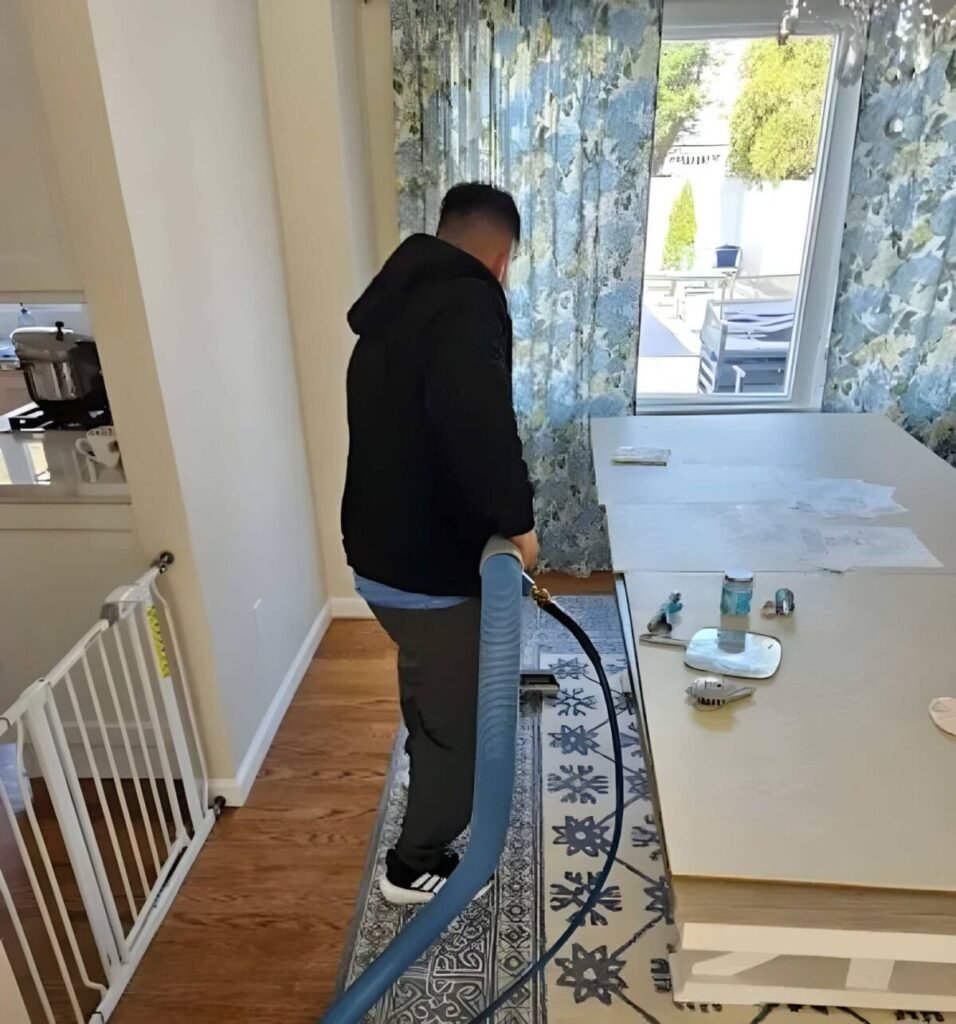
Every hard floor needs the same two basics: get the grit off before you wet the floor, and use a cleaner that matches the surface. Vinyl and luxury vinyl plank like a damp mop and a pH-neutral cleaner, not steam. Marble, travertine and limestone must never see vinegar or lemon cleaners. Ceramic and porcelain tile are tough, but their grout soaks up dirt that a mop cannot reach. When tile or stone stays dull or the grout stays dark after normal mopping, a professional hot-water cleaning with extraction is the next step.
Most Long Island homes are a mix: tile in the kitchen and bathrooms, vinyl plank in a finished basement, a stone entry in some newer houses and wood or carpet in the living areas. Each surface reacts differently to water, heat and cleaning products, which is why one bottle and one mop rarely work for the whole house. This guide walks through what each floor needs, and when our Long Island floor cleaning service is worth a call instead of another weekend on your knees.
People often know us as a Long Island carpet cleaning service, yet on almost every visit our hoses cross a hard floor before they reach a rug or a sofa. We see the same problems again and again: cloudy vinyl, dull stone, sticky kitchen tile and grout that turned gray years ago. The good news is that most of it starts with small habits that are easy to change.
Why hard floors look dull even after you clean them
A dull floor is usually not a worn floor. In most homes the shine is hidden under a thin film, and that film has three common sources.
The first is grit. Sand, dirt and small stones act like sandpaper under shoes and chair legs. Each step drags them across the surface and leaves fine scratches. One day of this does nothing you can see. A few years of it takes the gloss off tile glaze, stone and the wear layer of vinyl.
The second is residue. Many floor cleaners, and especially soap and detergent, leave something behind when they are not rinsed. That film looks fine when wet, then dries cloudy and catches new dirt faster than a bare floor would.
The third is the mop itself. A string mop and one bucket of water clean the first room nicely. By the third room, you are spreading gray water around the house. On tile, that water runs into the grout lines, which sit lower than the tiles.
The barefoot test
Walk across the floor in bare feet the day after you mop. If it feels tacky, or your socks pick up a gray shadow, there is residue on the surface. Using more product will make it worse. Rinsing with plain clean water, or a deep clean that rinses and extracts, is what fixes it.
Look at the floor under a sofa or inside a closet where no one walks. That is close to how the whole floor looked when it was new. If the open walkways are much duller, the problem is film and fine scratches from traffic, not age.
The hard floors we see most in Long Island homes
Long Island housing covers everything from older homes near the North Shore harbors to post-war capes and ranches across central Nassau and newer construction out in Suffolk. That variety shows up on the floor. Here is how the most common surfaces compare.
| Floor type | Where you find it | Safe everyday care | Avoid |
|---|---|---|---|
| Ceramic and porcelain tile | Kitchens, bathrooms, entries, laundry rooms | Sweep or vacuum, then a damp mop with a neutral cleaner and a clean-water rinse | Heavy soap, dirty mop water, wire brushes |
| Vinyl and luxury vinyl plank | Finished basements, kitchens, family rooms | Dry dust or vacuum without a beater bar, then a damp mop with a pH-neutral cleaner | Steam unless the maker approves it, vinegar, wax, rubber-backed mats |
| Marble, travertine, limestone | Foyers, bathrooms, some kitchens | Dry dust mop often, then a neutral stone cleaner or mild soap and warm water | Vinegar, lemon and other acids, gritty powders |
| Slate and other textured stone | Mudrooms, entries, sunrooms | Vacuum the texture well, then a neutral cleaner | Leaving sand in the clefts, harsh acids |
| Sealed hardwood | Living rooms, bedrooms, older homes | Dry dust mop, a barely damp mop with a wood floor cleaner | Steam, standing water, soaking wet mops |
If you are not sure what your floor is made of, check the area near a floor vent or a door threshold where you can see an edge. Porcelain is usually the same color all the way through. Ceramic often has a different-colored body under a glaze. Natural stone has veins and color changes that do not repeat. Vinyl plank feels warmer and softer underfoot and often has a click edge you can see at a doorway.
Vinyl and luxury vinyl plank: tough, but not indestructible
Luxury vinyl plank has become a favorite for Long Island basements, because it handles moisture far better than carpet or wood. That does not mean anything goes. Its top wear layer can cloud, scratch or discolor, and once that layer is damaged, cleaning cannot bring it back.
The care advice from one large luxury vinyl maker, COREtec’s guide to keeping a luxury vinyl floor in top condition, is a good example of what many makers ask for. It says to remove dirt first with a broom, a dust mop or a vacuum without rotating beater bars, then use a damp mop with a cleaner that is pH-neutral. It warns against products that contain detergent, vinegar, wax, citrus or floor polish, and says to skip steam mops unless the floor is approved for them. Always check the instructions for your own brand, because they differ.
Mats and furniture on vinyl
The same guide points out two things most people never think about. Entrance mats with rubber or latex backing can discolor vinyl, so choose mats without that backing. And heavy furniture and chairs should sit on non-staining protectors. Direct sunlight can also fade the planks over time, so window coverings help in bright rooms and sunrooms.
Marble, travertine and other stone floors
Natural stone is beautiful, and it is also the hard floor most often damaged by good intentions. Marble, travertine and limestone are calcium-based stones. The Natural Stone Institute’s care guide explains that products containing lemon, vinegar or other acids may dull or etch these stones, and that sand, dirt and grit are abrasive and can damage natural stone. It recommends a neutral cleaner, a stone soap, or a mild dishwashing liquid and warm water, plus frequent dust mopping with a clean, untreated dry mop.
Etching looks like a dull or slightly rough spot, often in the shape of a drip or a ring. It is not a stain sitting on top of the stone. It is a small change in the surface, so cleaning cannot remove it. That is why the most important rule for stone is to keep acid away from it in the first place: no vinegar sprays, no lemon cleaners, no bathroom products that are not labeled safe for stone.
What sealing does and does not do
Many stone floors are sealed. The same institute is clear that sealing does not make stone stain-proof. It makes it more stain-resistant, which buys you time to wipe up a spill before it soaks in. Sealer also does nothing against etching from acids or scratches from sand. Treat sealed stone with the same care as unsealed stone.
Keep a spray bottle of a stone-safe neutral cleaner in the bathroom with the marble floor, and nothing else. When there is only one bottle within reach, nobody grabs the acidic shower cleaner by mistake.
Hard floor cleaning mistakes we see every week
Most damage we find on hard floors comes from products and tools used with good intentions. Before you try a new trick from the internet, check it against these four.
Steam on the wrong floor
A National Wood Flooring Association expert told Wood Floor Business that steam is not recommended for wood floors, because it forces steam into gaps and joints and repeated use can make the finish peel or turn cloudy.
Vinegar on everything
Vinegar is acidic. It can etch marble, travertine and limestone, and vinyl makers such as COREtec list it among the products to avoid.
Too much soap
Extra detergent does not clean better. It leaves a film that looks cloudy, feels sticky and grabs new dirt within days.
Gritty powders and pads
Scouring powders, wire brushes and green scrub pads scratch tile glaze, stone and vinyl wear layers. A soft nylon brush is the safer choice.

What a professional hard floor cleaning includes
Tile and grout are where a professional visit makes the biggest difference, and stone floors benefit from the same careful approach with gentler products. The goal is simple: loosen the dirt, then pull it off the floor and out of the house, instead of moving it around. Here is how our crews handle it.
- Check the surface firstThe technician looks at what the floor is made of, finds any loose tiles, cracked grout or etched stone, and tells you before any work starts.
- Dry soil removalSand, grit and hair are vacuumed up first, so they are not ground into the surface when the floor gets wet.
- Pre-treatment and agitationA cleaner matched to the floor goes down, and the grout lines and textured areas are brushed to loosen grease, film and traffic dirt.
- Hot water extractionOur truck-mounted or portable extractor flushes the surface and grout with hot water and vacuums the dirty water back up at the same moment.
- Clean-water rinse and dryingA clean-water rinse removes leftover residue so the floor does not feel sticky, and air movers help it dry faster.
Because the water is pulled straight back out, the floor is not left soaking. That matters in older homes, where water can find its way under a loose tile or into a gap at a threshold. For a deeper look at grout in particular, our earlier guide on how dark grout comes clean again goes room by room, and our tile and grout cleaning page explains that service in detail.
What professional cleaning cannot fix
We would rather be honest up front. Cleaning removes dirt, grease and film. It does not repair etched stone, deep scratches, a worn-through vinyl wear layer, cracked tiles or grout that is crumbling away. Those need a repair or refinishing specialist. If our technician sees any of them, they will point them out so you can decide what to do next.
Long Island seasons and your floors
Our weather changes what comes through the front door, and your hard floors take the first hit.
Summer: beach sand
Sand from the South Shore beaches, from Jones Beach to the bay towns, rides home in shoes, towels and beach bags. Sand is the most abrasive thing that lands on a floor. Sweep or vacuum the entry and the path to the laundry room often in summer, before anyone mops.
Fall: wet leaves and mud
Wet leaves stick to shoes and paws, and they can leave tannin marks on light grout and stone. Mud season also means dogs coming in from the yard several times a day. A mat outside and another inside the door catches most of it.
Winter: road salt and slush
Salt dries into a white crust on tile and stone near the door and soaks into grout. Wipe up slush the same day, and plan a deeper clean of the entry floors in early spring once the salt season ends. Our winter carpet care tips for Baldwin homeowners show how to keep that same salt off the carpet past the doorway.
Area rugs and runners on hard floors
Rugs protect hard floors, but only when they are clean. A rug full of sand is like a sheet of fine sandpaper lying on your wood or vinyl. Every time someone walks on it, the grit underneath works against the floor.
That is one reason we often clean the rugs and the hard floor on the same visit. Our area rug cleaning means a clean rug goes back down on a clean floor, so you are not putting dirt right back where it came from. Runners in hallways and by dining tables are worth the same attention, because they cover the busiest paths in the house.
Pets add another layer. A dog that has an accident on a rug can soak through to the floor beneath, and on wood that can leave a dark mark. If that happens, lift the rug, clean and dry the floor, and have the rug treated. Our pet stain removal service handles the rug side of the problem.
How floor cleaning is priced
We keep pricing simple and upfront. Floors are different from home to home, so most hard floor jobs get a free quote based on the size of the area, the type of surface and how much buildup there is. Tile and grout deep cleaning starts at $129. Before any work begins, we look at the floor with you and confirm the price, so there are no hidden fees.
If you want carpets done on the same visit, carpet cleaning is $99 per room, one room of any size. New customers save $20 when they book online. Many families book the kitchen tile together with the living room carpet or a bedroom, so the whole first floor is done in one trip.
Not sure what your floor needs? Call (516) 894-2930 and describe the rooms and the surfaces. We will give you a free quote and, when the schedule allows, a same-day appointment through our same-day cleaning service.
Getting ready for the visit
A little preparation helps the crew reach every corner and finish faster.
- Pick up small items: shoes, pet bowls, toys, trash cans and floor mats.
- Move light chairs and stools out of the kitchen and dining area if you can. The crew can help with heavier pieces.
- Tell us which floors are stone, which are tile and which are vinyl or wood.
- Point out loose tiles, cracked grout, etched spots or recent repairs before work starts.
- Mention any product you used recently, such as a polish or a wax, because it changes how the floor is cleaned.
- Keep pets and kids in another room until the floor is dry, and make sure the van can park near the door.
Keeping hard floors clean between visits
After a deep clean, these habits keep the floor looking good for much longer.
- Dry dust, sweep or vacuum before you mop, every time. Wetting a sandy floor turns grit into mud.
- Use a cleaner made for your floor type, in the amount on the label, and nothing acidic on stone.
- Use two buckets, one for cleaning and one for rinsing, or change the water when it turns cloudy.
- Wring the mop well. A damp mop cleans; a dripping mop pushes water into joints and grout.
- Wipe spills right away, especially wine, coffee, juice and cooking oil.
- Put felt or non-staining pads under chair and table legs, and check them every few months.
- Place a washable mat outside and inside each door, and shake them out often.
Carpet needs a slightly different routine, and the drying side of things matters too. If you are booking carpets along with your floors, our post on how long carpet takes to dry after professional cleaning helps you plan the day.
One visit for floors, carpet, rugs and furniture
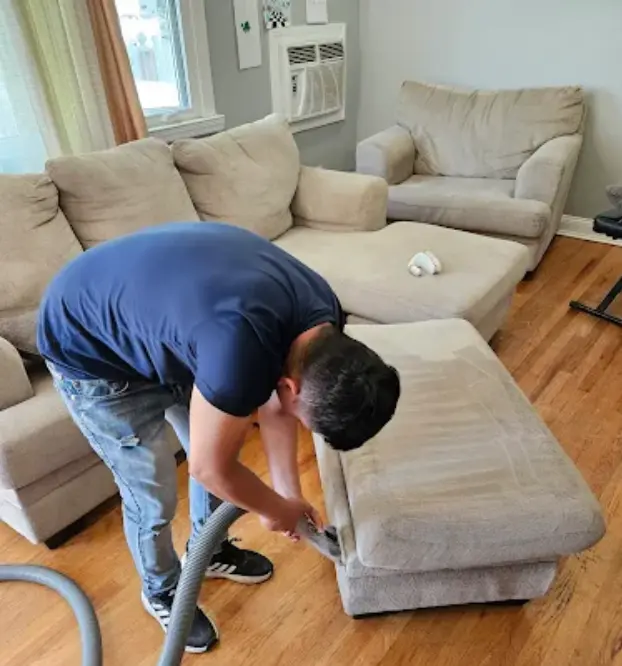
Most homes have more than one thing that needs attention. Booking it all together saves you a second day of moving furniture. In one trip our crew can clean the kitchen and bathroom tile, refresh the bedroom carpet with our residential carpet cleaning, and take care of the family room sofa with our couch cleaning service. We use eco-friendly, non-toxic products that are safe for kids and pets.
Where our crews work
We are based in Baldwin, and our crews work all across Nassau County and Suffolk County. That includes South Shore and central Nassau towns like Rockville Centre, Garden City and Levittown, and Suffolk communities such as Huntington, Commack and Bay Shore. Wherever you are on the Island, call for a free quote.
Ready for floors that look clean again?
Call Green Carpet Cleaning Long Island for a free quote on your tile, stone and other hard floors. Tile and grout deep cleaning starts at $129, carpet is $99 per room, and new customers save $20 when they book online. Same-day service is available across Nassau and Suffolk County when the schedule allows.
Hard floor cleaning FAQ
Can I use a steam mop on my vinyl plank or wood floor?
Usually not without checking first. Many vinyl makers say to skip steam unless the floor is approved for it, and a National Wood Flooring Association expert has said steam is not recommended for wood floors because it can damage the finish. Read your floor’s care instructions before using steam.
Is vinegar safe for cleaning tile or stone floors?
Not on marble, travertine or limestone. Vinegar is an acid and can dull or etch those stones. Some vinyl makers also list vinegar among products to avoid. A pH-neutral cleaner made for your floor type is the safer choice for everyday cleaning.
Why does my floor feel sticky after I mop?
Most of the time it is leftover cleaner. Too much product, or soap that is never rinsed off, dries into a film that feels tacky and catches dirt. Use the amount on the label, rinse with clean water, and change the mop water often.
How much does professional floor cleaning cost on Long Island?
Tile and grout deep cleaning starts at $129. Other hard floors get a free quote based on the size of the area, the surface and the amount of buildup. We confirm the price before work starts, and new customers save $20 when they book online.
Can cleaning remove dull spots and scratches from stone?
Cleaning removes dirt, grease and film, which often brings back a lot of color. It cannot remove etching from acids or deep scratches, because those are changes in the surface itself. Those need a stone repair or refinishing specialist.
Can you clean my floors, carpet and rugs on the same day?
Yes. Many customers book tile in the kitchen, carpet in other rooms and an area rug on one visit. Carpet cleaning is $99 per room, one room of any size, and same-day appointments are available when the schedule allows. Call (516) 894-2930 for a free quote.
Green Carpet Cleaning Long Island
Local for 20+ years. Based in Baldwin, NY. Same-day service available.