Area Rug Cleaning Service on Long Island: What Happens to Your Rug, Step by Step
Why area rugs hold more dirt than you think, which rugs need extra care, what is risky to try at home, and what a professional area rug cleaning visit really looks like in a Nassau or Suffolk County home.
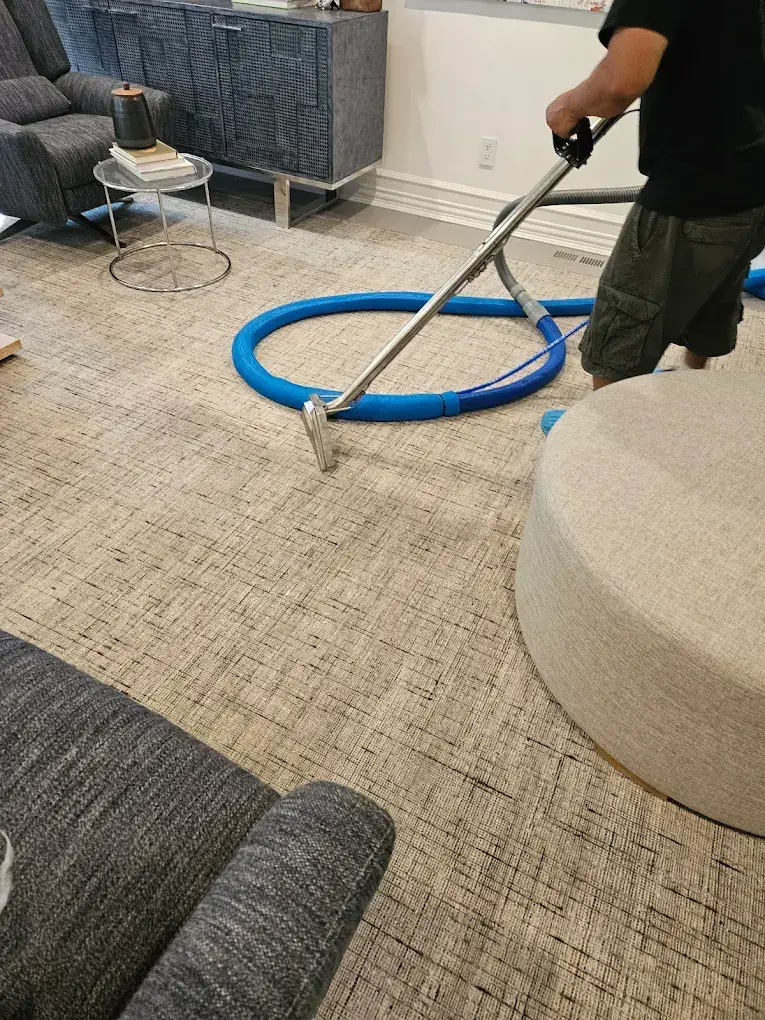
An area rug sits in the busiest part of a room and traps sand, grit, pet hair and spills deep in its pile, where a vacuum cannot reach. A professional area rug cleaning starts with a check of the fiber and colors, then removes dry soil, pre-treats spots, cleans with hot water extraction, rinses with clean water and speeds up drying. Wool, silk, hand-knotted and older rugs need gentler handling than synthetic rugs, so the method is matched to the rug before any water touches it.
Most families on Long Island have at least one area rug they really care about: the big rug under the living room sofa, a runner in the hallway, a wool rug in the dining room or an old Oriental that came from a parent’s house. When those rugs start to look flat, dull or gray, the question is simple: can they come back, and who should do it? This guide walks through how our area rug cleaning service in Long Island, NY works, what each step does, and how to keep a rug looking good for longer.
We are a local team of Long Island carpet and rug cleaners based in Baldwin, and rugs are part of almost every home we visit. Below you will find plain answers about rug types, home cleaning mistakes, pets and stains, seasons on the island, pricing and what to do before and after the visit.
Why area rugs get dirtier than wall-to-wall carpet
An area rug is usually placed exactly where people walk, sit and eat. It sits in front of the couch, under the dining table, at the bottom of the stairs or right inside the door. That means it takes more steps per square foot than most of the carpet in a house. The rug is doing its job: it catches dirt before it spreads to the rest of the room.
The problem is where that dirt goes. Fine sand and grit fall down between the fibers and settle near the base of the rug. Every step grinds those sharp grains against the fibers, a little like sandpaper. Over time the tips of the fibers get scratched and frayed, and scratched fibers reflect less light. That is why a busy rug looks gray or “tired” in the walkway even when no stain is visible.
Rugs also collect things a vacuum does not pull out well: body oils from bare feet, cooking grease carried from the kitchen, pet dander and hair, and sticky residue from old spills that were cleaned with too much soap. The sticky film grabs new dirt fast, so a rug cleaned at home with the wrong product can look worse a week later than it did before.
Compare the color of your rug in the main walkway with a spot that hides under a sofa or a chest. If the hidden part is much brighter, most of the dullness is soil and worn-looking fibers, not faded dye. That kind of rug usually looks much better after a proper cleaning.
The area rugs we see most in Long Island homes
Not every rug should be cleaned the same way. The fiber, how the rug was made and how old it is all change what is safe. Before any cleaning, a careful technician looks at the label, the back of the rug and the fringe, and checks whether the colors are stable. Here are the rugs we see most often across Nassau and Suffolk County.
Synthetic rugs made of nylon, polyester or polypropylene are common in family rooms, kids’ rooms and basements. They handle water well and are usually the easiest to clean. Walkways on these rugs often hold oily soil, so pre-treatment matters.
Wool rugs are soft, durable and naturally good at hiding dirt, which is why they often look fine until they are very soiled. Wool does not like high heat or strong alkaline cleaners, and it can shrink or lose its shape if it is soaked and dried slowly. Our guide on cleaning wool rugs without damaging the fibers explains why gentle products matter so much for this fiber, and our wool rug cleaning page covers how we handle them.
Oriental, Persian and other hand-knotted rugs are often the most valuable rugs in the house. Their dyes, fringe and foundation need slow, careful work. If you have one of these, our Oriental rug cleaning service is set up for that kind of piece, and the post on signs your Oriental rug needs professional cleaning helps you decide when it is time.
Viscose, “art silk” and real silk rugs look shiny and feel soft, but they are delicate and can react badly to too much water or the wrong product. Always tell us if a rug might be silk or viscose before the visit, so the right plan is made before cleaning.
Jute, sisal and other plant fiber rugs are popular in beach-style homes on the South Shore and North Shore. They do not like a lot of water, which can change their color or shape, so these rugs need a low-moisture approach.
| Rug type | Where we see it | What to watch | Cleaning approach |
|---|---|---|---|
| Synthetic (nylon, polyester, polypropylene) | Family rooms, kids’ rooms, basements | Holds oily soil, can feel flat in walkways | Pre-treatment and hot water extraction, clean-water rinse |
| Wool (machine-made or hand-tufted) | Living rooms, dining rooms, bedrooms | Heat, harsh cleaners, slow drying | Wool-safe products, controlled moisture, air movers |
| Hand-knotted Oriental or Persian | Formal rooms, older family pieces | Dye bleeding, fringe, worn foundation | Color check first, gentle handling, extra care on fringe |
| Viscose, art silk or silk | Bedrooms, low-traffic spaces | Too much water, the wrong product | Very careful, low-moisture work after inspection |
| Jute and sisal | Beach-style and coastal rooms | Too much water, color and shape changes | Dry soil removal and very low moisture only |
Home rug cleaning mistakes that cause damage
Most of the rug damage we are asked to look at did not come from age or wear. It came from a cleaning attempt that went wrong. Before you pull out a sprayer or a rental machine, read these four warnings.
Rubbing a spill
Scrubbing pushes the spill deeper and untwists the fibers. Consumer Reports advises blotting with a clean white cloth, working from the edges of the spill toward the center.
Too much soap
Extra shampoo that is never rinsed out leaves a sticky film. The spot looks clean for a few days, then turns darker than before as it grabs new dirt.
Soaking the rug
A rug that stays wet for a long time can shrink, ripple, smell musty or show brown marks, especially wool, jute and rugs with a cotton backing.
Strong household sprays
Bleach, oxygen boosters and some carpet sprays can strip or move dye, leaving light patches or color running into the fringe.
What a professional area rug cleaning includes
A professional cleaning is not just a stronger shampoo. The big difference is that dirt, residue and dirty water are pulled out of the rug instead of being spread around inside it. Here is how our crews approach a typical area rug cleaned in your home.
- Inspection and color checkThe technician looks at the fiber, the back of the rug, the fringe and any spots or worn areas, and checks a hidden area to see if the colors are stable. This decides which products and how much moisture are safe.
- Dry soil removalLoose sand, grit and hair come out first. Removing dry soil before any water goes down keeps it from turning into mud inside the pile.
- Pre-treatment and agitationA cleaning solution matched to the fiber goes on the rug, with extra attention to traffic lanes and spots. Gentle agitation helps it loosen oily soil from the fibers.
- Hot water extractionOur truck-mounted or portable extractor flushes the rug and pulls the dirty water straight back out, so soil leaves the house instead of sinking deeper.
- Clean-water rinse and dryingA clean-water rinse removes leftover residue, so the rug does not feel sticky or attract dirt fast. Air movers then help the rug dry faster.
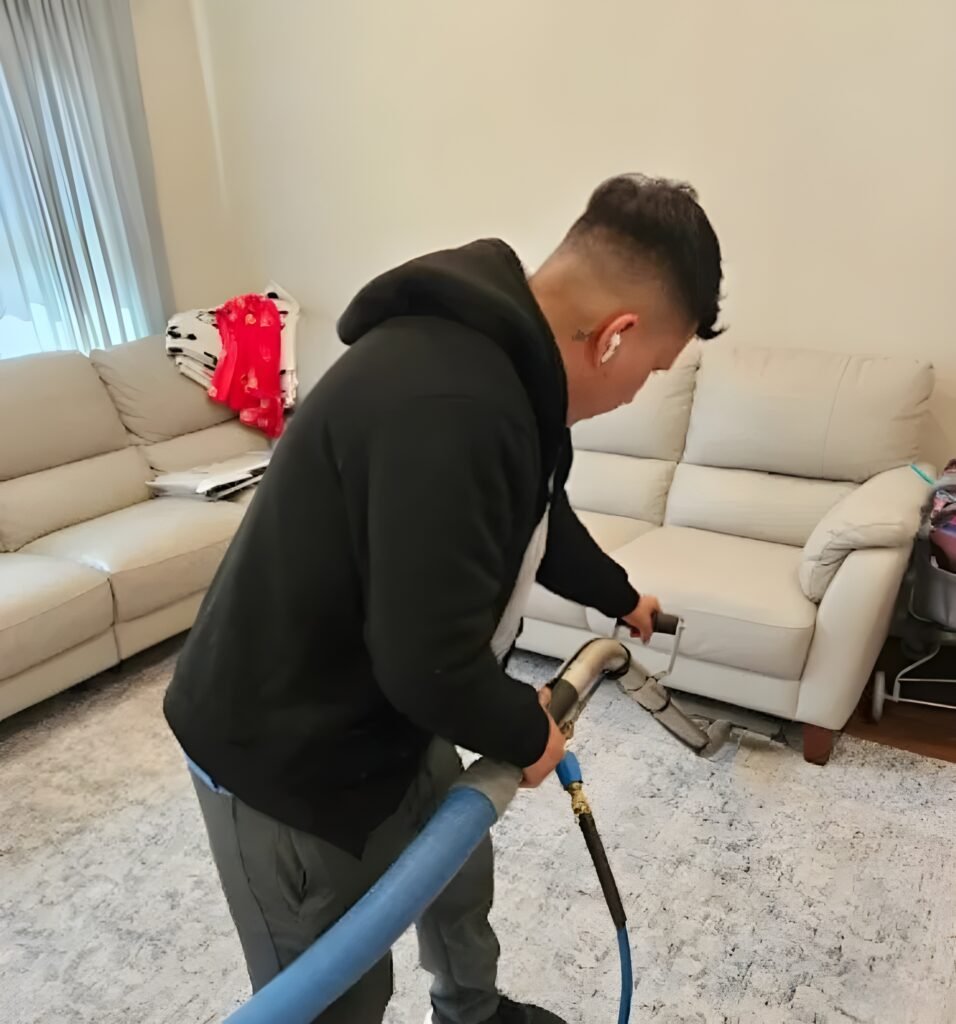
Because the rug is not left soaking, drying time is shorter and there is less risk of browning or odor. When a rug is very delicate, badly soiled or has a lot of pet urine in it, our technician will explain what in-home cleaning can and cannot do, and talk through the options and the price before anything starts. You will always know the plan first.
What about the fringe?
Fringe on many hand-knotted rugs is the end of the rug’s foundation, not a sewn-on decoration. It is often cotton, so it can look yellow or gray long before the rest of the rug does. Fringe gets gentle hand attention during cleaning. Very worn or broken fringe is a repair issue, and we will point it out so you can decide what to do.
The same approach runs through all our rug cleaning services, adjusted to each rug: more agitation for a busy synthetic rug, milder products and less moisture for wool or older pieces.
Pets, spills and odors in area rugs
Area rugs are a favorite spot for pets. Dogs lie on them, cats knead them and puppies sometimes choose them for accidents. Urine is the hardest problem because it does not stay on top. It runs down through the pile into the backing and sometimes into the floor below. The top can look clean while the smell keeps coming back on humid days.
If an accident happens, blot as much as you can with plain white towels, pressing firmly. Do not use strong scented sprays to cover the smell; they can set the stain and make it harder to treat later. For older spots, our pet stain removal treatment targets the source of the odor during cleaning. Our post on getting pet hair and odors out of rugs has more detail on what to do between visits.
Food and drink spills
Coffee, red wine, juice and sauce are the spills we hear about most. Speed matters more than product. Blot right away, add a little cool water, and blot again. Skip hot water and strong products at home, especially on wool. If a spot does not move after a gentle try, stop and leave it for a professional. A spot that has not been scrubbed or treated with strong chemicals is much easier to remove.
When you book, mention what the spot is and what you already used on it. Coffee, wine, pet urine and nail polish all need different treatment, and products used at home can change what is safe to put on next.
Long Island seasons and your rugs
Living on Long Island means every season brings its own kind of dirt through the front door, and area rugs near entries catch most of it.
Summer brings beach sand from Jones Beach, Robert Moses or the North Shore beaches. Sand is heavy and sharp, and it sinks to the base of a rug fast. A rug that looks fine on top can hold a surprising amount of sand underneath.
Fall brings wet leaves, mud and damp shoes. Wet leaves stuck to shoes can leave brown marks on light rugs near the door.
Winter brings road salt and slush. Salt leaves a white crust that pulls moisture into the rug and can feel crunchy underfoot. Doormats outside and inside each entry help, and so does a cleaning in early spring to get the salt out before it sits for months.
Damp basements are common in older Long Island houses. A rug in a finished basement may smell musty even with no spills, because it picks up moisture from the air and the floor. If you have a dehumidifier, running it helps the rug stay fresh, and lifting the rug now and then lets the floor underneath dry out.
How often area rugs need professional cleaning
There is no single schedule for every rug. A rug in a quiet guest room needs much less attention than the rug in front of the family room TV where kids play and the dog naps. Consumer Reports suggests having a rug professionally cleaned every one to three years, depending on household traffic. Busy homes with pets and small children usually sit at the shorter end of that range.
Vacuuming between cleanings matters just as much. The Carpet and Rug Institute recommends vacuuming daily in high-traffic or pet areas, twice a week in medium-traffic areas and weekly in light-traffic areas, because regular vacuuming removes soil that can damage the fibers. That advice is written for carpet, but the same idea holds for the rug in your busiest room.
How area rug cleaning is priced
Area rug cleaning is $99 per rug. Oversized, silk, antique and other specialty rugs get a free quote, which depends on the size of the rug, the fiber, how it was made, how soiled it is and whether there are pet spots or other stains to treat. We look at the rug and confirm the price before any work starts, so there are no hidden fees and no surprises at the end.
New customers save $20 when they book online. If you want wall-to-wall carpet cleaned on the same visit, carpet cleaning is $99 per room, one room of any size. Many families do the living room rug together with the carpeted bedrooms or stairs, so everything is fresh at once and furniture only has to move one time.
Not sure what your rug is made of? Call (516) 894-2930, describe it or send a photo when you talk to us, and we will give you a free quote. When the schedule allows, same-day appointments are available.
How to get ready for the visit
A little preparation helps the crew reach the whole rug and finish faster.
- Clear small items off the rug: toys, shoes, pet beds, baskets and plants.
- Move light chairs and side tables if you can. The crew can help with heavier pieces.
- Vacuum the rug the day before if possible, to take off loose hair and surface dust.
- Tell us about any silk, viscose, jute or older family rugs before work starts.
- Point out pet spots, spills and anything you already tried to clean them with.
- Keep pets and kids in another room while the rug is damp.
- Make sure there is parking near the door for the van and hoses.
Rugs often sit on hard floors, and the floor under a rug is usually dirtier than you expect. If the tile, vinyl or stone around your rugs also needs help, our hard floor cleaning service can be done on the same visit, so a clean rug goes back down on a clean floor.
Keeping your rug clean after a professional cleaning
A clean rug stays clean much longer with a few easy habits.
- Vacuum often, and on rugs with fringe, avoid sucking the fringe into the brush.
- Vacuum in the direction the pile lies on hand-knotted rugs.
- Turn the rug around every six months or so, so wear and sunlight spread evenly.
- Use a good rug pad so the rug does not slide and the pile wears more slowly.
- Blot spills right away with a white cloth, from the outside of the spot inward.
- Put washable mats at every entry to catch sand, leaves and salt before they reach the rug.
Rugs, carpet and furniture in one visit
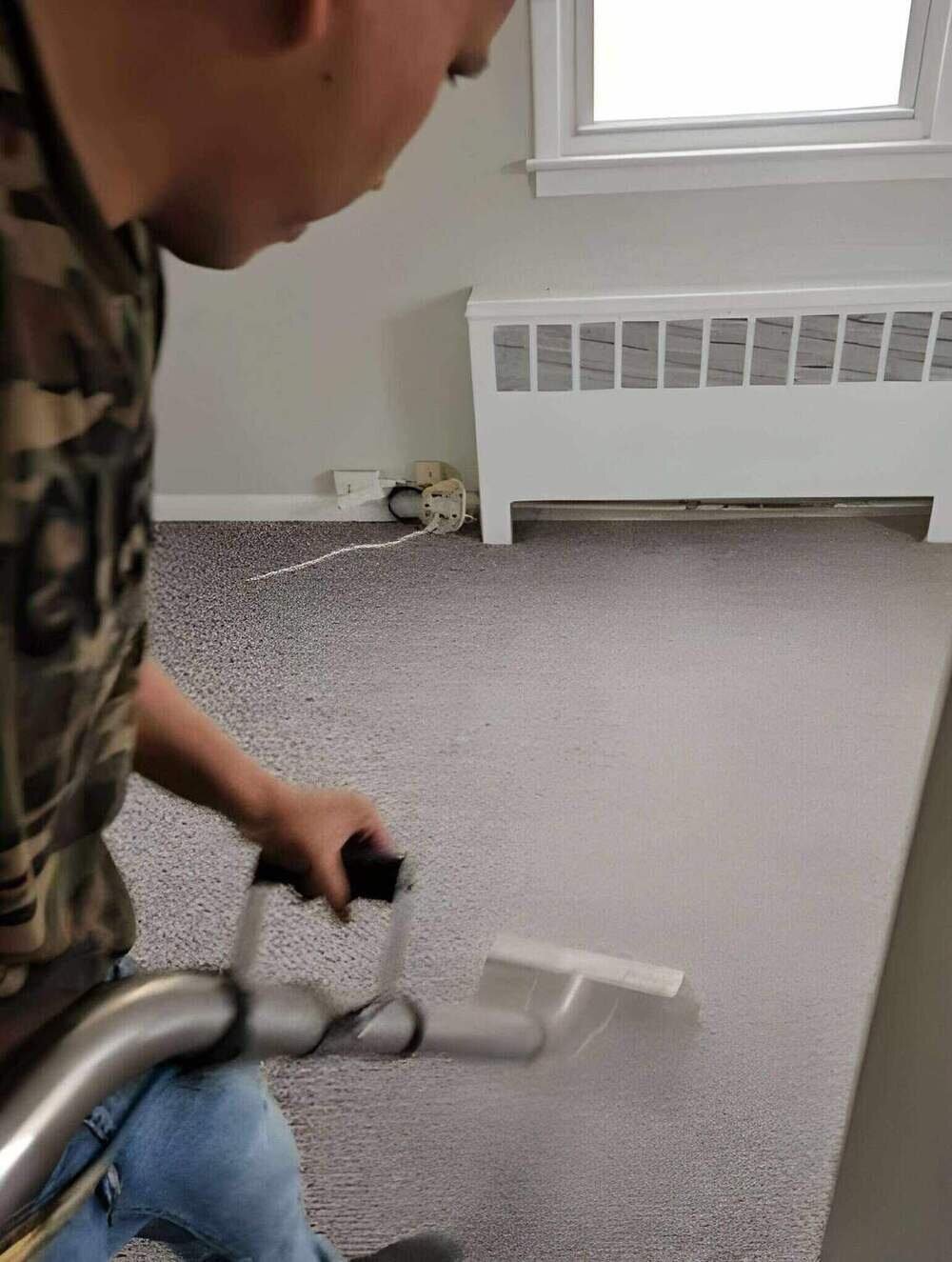
Most homes have a mix: area rugs in the living and dining rooms, carpet in the bedrooms and on the stairs, and a sofa that has seen better days. Booking everything at once saves you time and only one day of moving furniture. Our crew can clean your rugs, the carpet upstairs and the couch in the same trip. Need it done fast before guests arrive? Our same-day carpet cleaning covers rugs and carpet when the schedule has room.
If you have kids or pets and prefer gentle products, we use eco-friendly, non-toxic solutions that are safe for kids and pets once dry.
Where our crews work
We are based in Baldwin and our crews work across Nassau County and Suffolk County. In Nassau that includes South Shore neighbors like Lynbrook and Valley Stream, and central towns such as Westbury. In Suffolk our crews work in Lindenhurst, Islip and Dix Hills, along with many other communities across the county.
Ready to see your rug’s real colors again?
Call Green Carpet Cleaning Long Island for a free quote on your area rugs. New customers save $20 when they book online, and same-day service is available across Nassau and Suffolk County when the schedule allows.
Area rug cleaning FAQ
How much does area rug cleaning cost on Long Island?
Area rug cleaning is $99 per rug. Oversized and specialty rugs get a free quote based on the size, fiber, condition and any stains. We confirm the price before work starts, with no hidden fees, and new customers save $20 when they book online.
Can you clean my area rug in my home?
Many area rugs, especially synthetic and sturdy wool rugs, can be cleaned in your home with dry soil removal, pre-treatment, hot water extraction and a clean-water rinse. If a rug is very delicate or heavily soiled, our technician will explain the options and the price before anything starts.
How long does an area rug take to dry?
Most rugs dry in about 4–8 hours, depending on the fiber, the thickness of the rug and the humidity in the room. Because the dirty water is extracted right away and air movers are used, rugs dry much faster than after a home shampoo. Keep foot traffic and pets off the rug until it is dry.
Is your rug cleaning safe for kids and pets?
Yes. We use eco-friendly, non-toxic cleaning products that are safe for kids and pets. We still ask that children and pets stay off the rug while it is damp.
Can old pet urine spots come out of an area rug?
Many can be improved a lot, but urine that has soaked into the backing for a long time may leave a mark or need extra treatment. Our pet stain removal targets the source of the odor, and we will tell you honestly what to expect before we start.
Can you clean my rugs and carpets on the same visit?
Yes. Many customers book their area rugs together with carpet in other rooms. Carpet cleaning is $99 per room, one room of any size, and same-day appointments are available when the schedule allows. Call (516) 894-2930 for a free quote.
Green Carpet Cleaning Long Island
Local for 20+ years. Based in Baldwin, NY. Same-day service available.